 Breaking News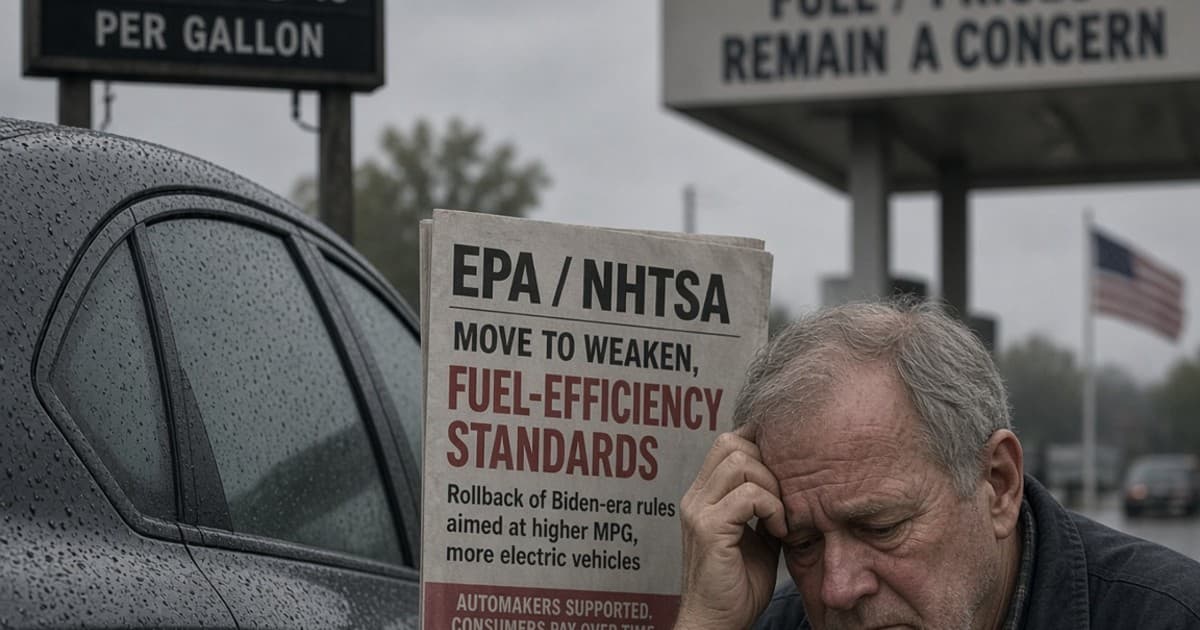
Breaking News
Trump Administration Rolls Back Vehicle Fuel-Economy Standards in Major Regulatory Reversal
By The Daily Ledger2 min read3 views
The Trump administration has moved to weaken federal fuel-efficiency standards, drawing criticism from consumer and environmental advocates as gas prices…
Trump Administration Moves to Weaken Federal Fuel-Economy Standards
The Trump administration has taken steps to roll back federal vehicle fuel-efficiency requirements, reversing course from standards set under the Biden administration that had sought to push the American auto industry toward cleaner, more fuel-efficient vehicles.
The move targets rules that set minimum miles-per-gallon benchmarks for passenger cars and light trucks sold in the United States. Under the Biden administration, those benchmarks had been raised substantially, with requirements phased in over several model years as part of a broader strategy to cut greenhouse gas emissions from the transportation sector — one of the largest sources of such pollution in the country.
The White House framed the rollback as relief for American consumers at a time when household budgets remain under pressure from elevated living costs, including gasoline prices. Administration officials have argued that stringent fuel-economy mandates raise vehicle prices by forcing manufacturers to adopt more expensive technologies, and that loosening those rules would give consumers more affordable choices.
Critics pushed back sharply on that reasoning. Consumer advocates and environmental groups contend that higher mileage standards, while potentially adding upfront costs, deliver significant savings at the gas station over the years a driver owns a vehicle. Weakening the rules, they argue, shifts money from consumers' wallets to oil companies over the long run — the opposite of the relief the administration promises.
Automakers have long had mixed views on fuel-economy regulation. Some manufacturers had already committed billions of dollars to electric vehicle development partly in anticipation of stricter federal standards, and a rollback complicates those long-term investment strategies. Others, particularly those with larger lineups of trucks and sport-utility vehicles, have lobbied for more flexibility in how standards are calculated and enforced.
The regulatory change also sets up a potential legal confrontation with California, which holds a special federal waiver allowing it to set its own vehicle emissions standards. More than a dozen other states follow California's stricter rules, meaning the state's response to the federal rollback could determine what standards a large share of the American auto market ultimately faces.
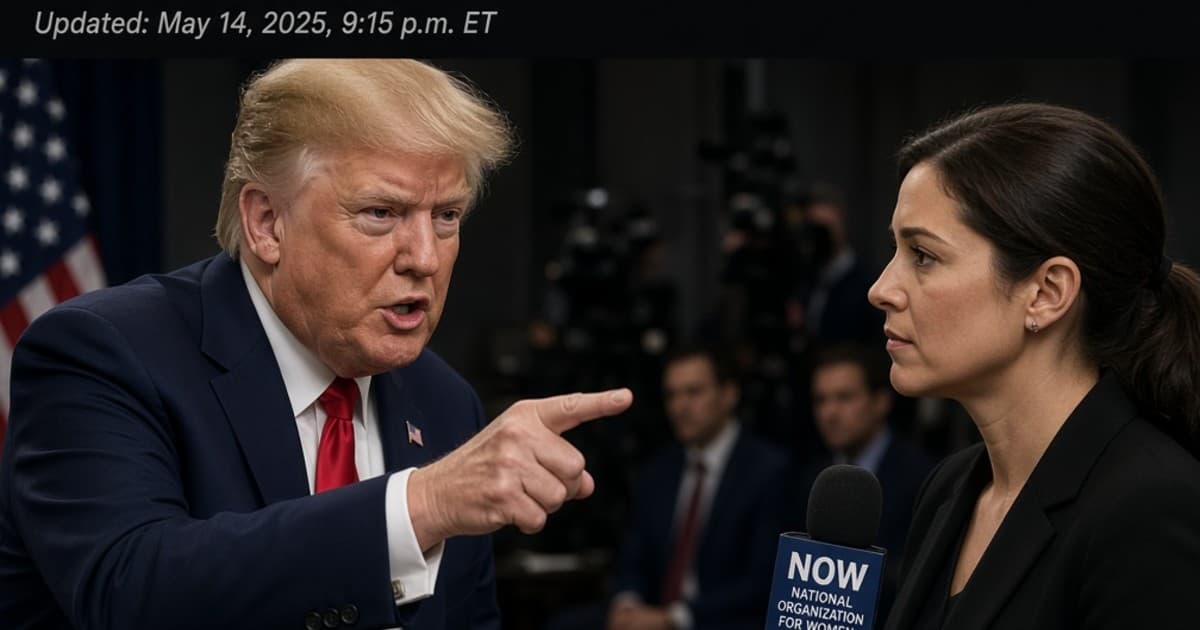
Environmental organizations indicated they were reviewing legal options, and congressional Democrats criticized the timing of the announcement, noting that Americans are simultaneously facing pressure from fuel costs — a dynamic they said undercuts the administration's stated rationale.
The rule change would apply to future vehicle model years, with the precise timeline and scope subject to the formal regulatory process, which includes a public comment period before final implementation.

Comments (0)
No comments yet. Be the first to share your thoughts.
Leave a comment
Comments are reviewed before they appear.