 Breaking News
Breaking News
Trump Rejects Iranian De-escalation Proposal Over Hormuz Strait
By The Daily Ledger1 min read1 views
Trump has rejected an Iranian proposal aimed at reducing hostilities in the region and reopening the strategically vital Strait of Hormuz, signaling continued…
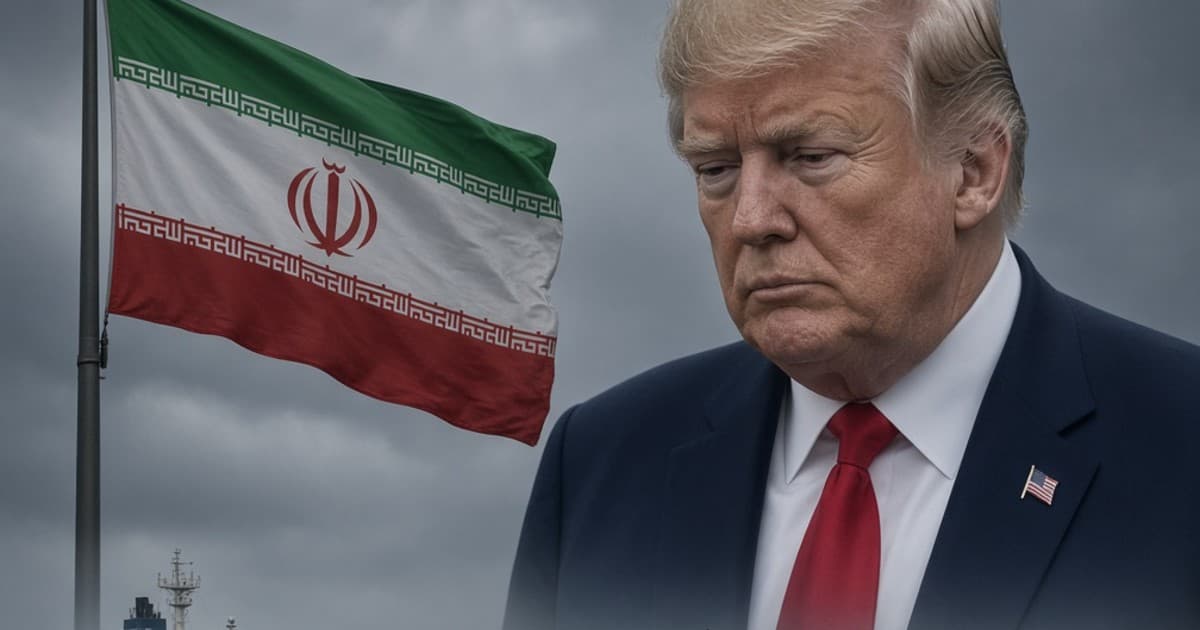
Former President Donald Trump has rejected a proposal from Iran that would have involved reopening the Strait of Hormuz and ending regional military conflict, according to recent reports. The Iranian initiative represented an attempt at diplomatic de-escalation between the two nations amid ongoing tensions in the Middle East.
Trump's rejection underscores the persistent divide between Washington and Tehran. The former president has historically taken a hardline position toward Iran, favoring pressure-based strategies over extensive diplomatic engagement. His dismissal of the proposal suggests he views the Iranian offer as insufficient or insincere, though his specific objections remain subject to interpretation.
The Strait of Hormuz, a narrow waterway between Iran and Oman, serves as a critical shipping route for global energy supplies. Any disruption to traffic through the strait carries significant consequences for international markets and economies worldwide. Control or closure of the passage has long been a point of leverage in Middle East geopolitics, making proposals regarding its status matters of substantial importance.
Regional stability remains precarious, with multiple conflicts and proxy struggles involving various state and non-state actors. Iran has positioned itself as willing to negotiate on key issues, while the United States and its allies maintain varying degrees of skepticism toward Iranian overtures. The fate of diplomatic proposals hinges partly on whether each side views the other as a credible negotiating partner.
Trump's response reflects broader questions about the trajectory of U.S. foreign policy and the administration's approach to one of America's most complicated geopolitical relationships. Whether this rejection closes the door on negotiations or represents a negotiating position remains to be seen. Regional observers and policymakers will likely scrutinize what comes next in an already volatile strategic environment.
Comments (0)
No comments yet. Be the first to share your thoughts.
Leave a comment
Comments are reviewed before they appear.