 Breaking News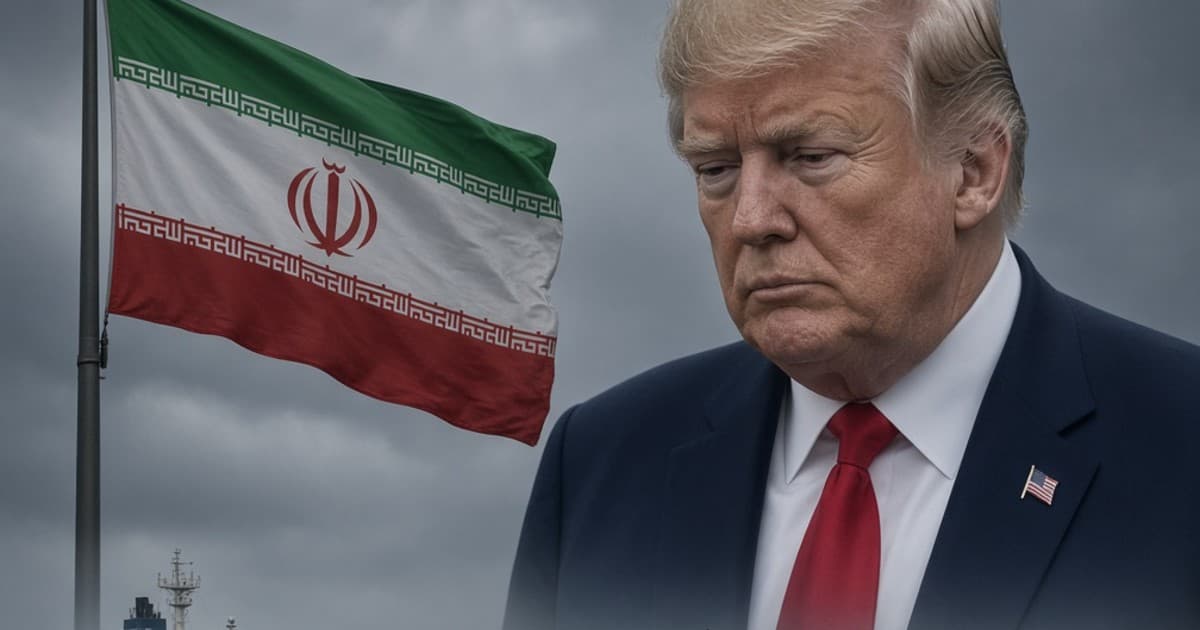
Breaking News
Iran Takes Measured Stance After Trump Rebuffs Hormuz Proposal
By The Daily Ledger2 min read2 views
Iran said it would wait for an official U.S. response after Trump rejected a proposal concerning the Strait of Hormuz, indicating ongoing diplomatic friction…
Iran indicated on recent statements that it would await an official response from the United States following Donald Trump's public rejection of a proposal related to the Strait of Hormuz, signaling a cautious diplomatic posture amid escalating tensions between the two nations.
Trump's dismissal of the proposal marked another chapter in the long-standing friction between Washington and Tehran over control and security of the strategically vital waterway. The Strait of Hormuz, a narrow passage between Iran and Oman, serves as a critical corridor for global energy shipments, making disputes over its management matters of international economic and security concern.
Iran's response emphasized a willingness to engage through official channels rather than immediately reciprocate with hostile action, a distinction that observers have noted as potentially significant for de-escalation efforts. The Iranian government's framing suggested it was taking a measured approach, at least publicly, while evaluating Washington's official position.
The Strait has been a persistent source of conflict between the two adversaries. Previous incidents involving military vessels, ship seizures, and naval confrontations have heightened concerns about freedom of navigation and the risk of accidental escalation in one of the world's most economically important maritime routes.
Trump's administration has maintained a generally confrontational stance toward Iran across multiple policy domains, including nuclear negotiations and regional influence. His swift rejection of the Hormuz proposal fits within a broader pattern of skepticism toward agreements involving Tehran.
The timeframe for an official U.S. response and the substance of Iran's underlying proposal both remain subjects requiring clarification. Analysts noted that the gap between public statements and behind-the-scenes diplomacy often determines whether such moments lead to further confrontation or eventual dialogue.
The developments underscore the persistent challenge of managing U.S.-Iran relations at a moment when multiple flashpoints—from maritime disputes to nuclear concerns—compete for attention from both governments. How the Trump administration's official response materializes, and whether Iran maintains its current posture of patience, could shape the trajectory of tensions in coming weeks.
Comments (0)
No comments yet. Be the first to share your thoughts.
Leave a comment
Comments are reviewed before they appear.