 Breaking News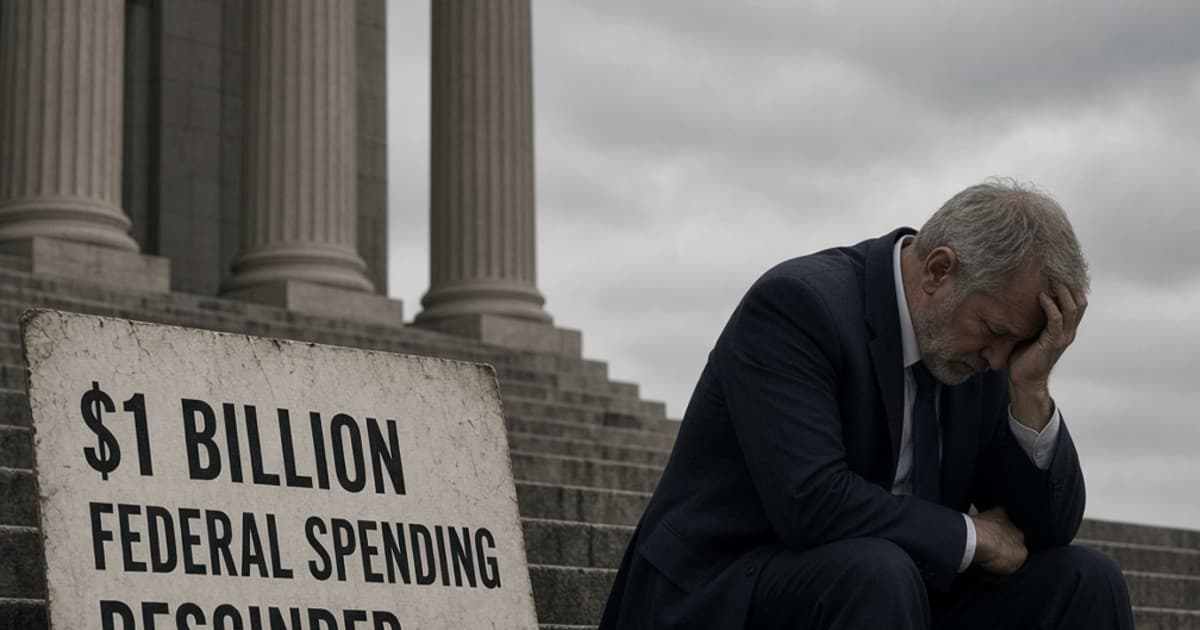
Breaking News
Trump Administration Reclaims $1 Billion in Congressional Spending Using Rare Executive Power
By The Daily Ledger2 min read2 views
The Trump administration has used an infrequently wielded executive authority to reverse nearly $1 billion in federal spending that Congress had previously…
The Trump administration has exercised a rarely deployed executive power to rescind nearly $1 billion in federal spending that Congress had previously approved, marking an aggressive assertion of presidential authority over the federal budget.
The action invokes executive mechanisms designed to give the White House control over timing and allocation of appropriated funds. While presidents have historically sought some discretion in managing federal expenditures, the broad application of this power has faced legal constraints and congressional resistance since the 1970s. The scale of the current rescission appears notable, though the precise programs and agencies affected remain to be detailed.
The move reflects broader tensions between executive branch authority and Congress's constitutional power over federal spending. Presidents argue that efficient budget management requires flexibility to defer or redirect funds based on policy priorities or budgetary conditions. Lawmakers counter that such unilateral actions undermine legislative authority over appropriations and allow executives to circumvent the democratic process by which Congress allocates federal resources.
Under existing law, presidential impoundment or rescission authority operates within defined parameters. Congress established protections in prior decades to prevent presidents from effectively vetoing appropriations through executive action. Any rescission must generally follow specific procedures, and lawmakers retain mechanisms to challenge or override such decisions.
The administration's use of this power signals its intent to exercise tight control over federal spending. The choice of which programs or agencies are targeted may reveal priorities within the administration's broader policy agenda. Federal contractors, agencies facing budget reductions, and beneficiaries of the affected programs could experience significant operational impact.
Congress is likely to scrutinize the action closely. Lawmakers may question whether the administration has stayed within legal bounds or overreached its authority. Depending on political calculations and the specifics of which spending is affected, legislators could attempt to override the rescission through a legislative process or challenge the action through other means.
The broader implications extend beyond the immediate $1 billion. If the administration successfully wields this power without substantial legal or legislative pushback, it may establish a precedent for more expansive use of executive spending control in the future, potentially reshaping the balance between presidential and congressional budget authority.

Comments (0)
No comments yet. Be the first to share your thoughts.
Leave a comment
Comments are reviewed before they appear.