 Breaking News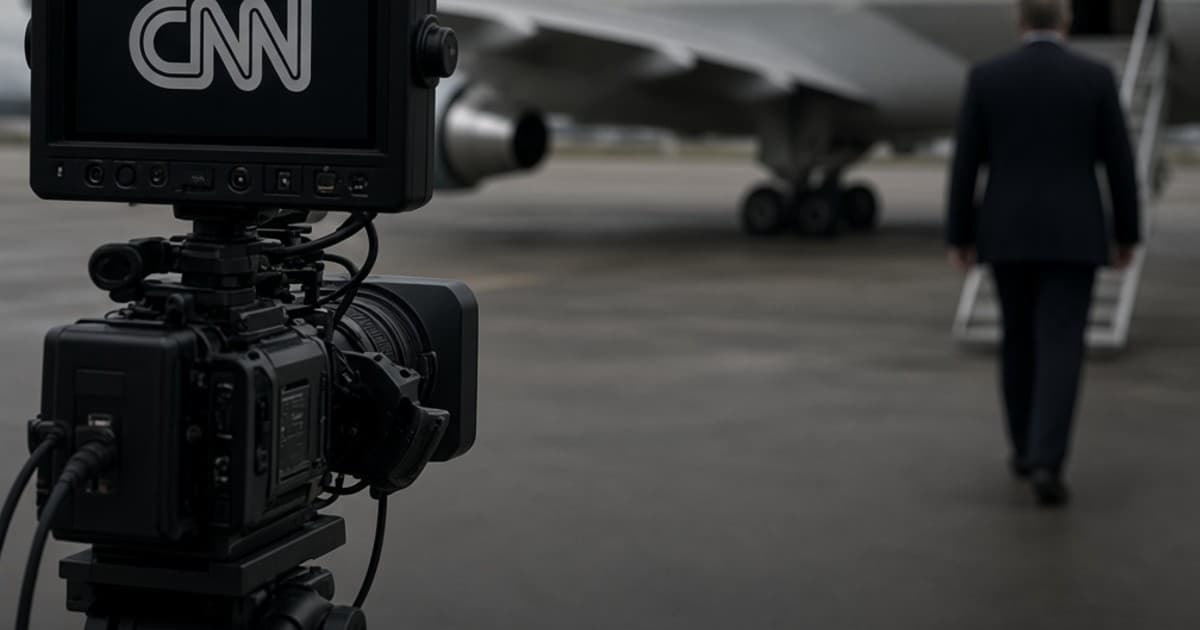
Former President Trump excluded CNN from media access aboard Air Force One during a recent trip, marking the latest chapter in his ongoing conflict with the…
Former President Donald Trump excluded CNN from media coverage during a recent trip aboard Air Force One, marking another instance of tension between the former president and the news network.
The exclusion meant that CNN reporters and crew were not included in the traveling press pool that typically accompanies presidential movements to document and report on activities. Press access aboard Air Force One is typically rotated among major news organizations to ensure coverage of significant events and presidential statements.
The incident reflects an ongoing pattern of conflict between Trump and CNN dating back years. Trump has frequently criticized the network's editorial approach and coverage, using rhetoric that extends to broader themes about media credibility and reporting standards. These disputes have occasionally resulted in restrictions on press access or exclusions from certain events.
CNN has historically responded to such actions by pushing back against what the network characterizes as unwarranted restrictions on press freedom. The network has argued that access to cover newsworthy events is essential to its journalistic function and the public's right to information.
The exclusion raises questions about presidential power to restrict media access and the norms governing such decisions. While presidents have broad authority over who enters Air Force One and other restricted spaces, journalists and press freedom advocates have argued that arbitrary exclusions based on editorial disagreement raise concerns about access to information and the ability to cover public figures comprehensively.
The conflict between Trump and CNN is part of a larger landscape of polarized media relations that has characterized recent American politics. Different media outlets face varying degrees of access and criticism depending on their editorial positions and coverage choices. This particular incident adds to a documented history of decisions about which journalists and organizations can cover presidential activities.
The broader implications include ongoing debates about the relationship between political figures and the press, the definition of "fair" coverage, and what standards should govern access to public figures engaged in official or public activities.
Comments (0)
No comments yet. Be the first to share your thoughts.
Leave a comment
Comments are reviewed before they appear.