 World
World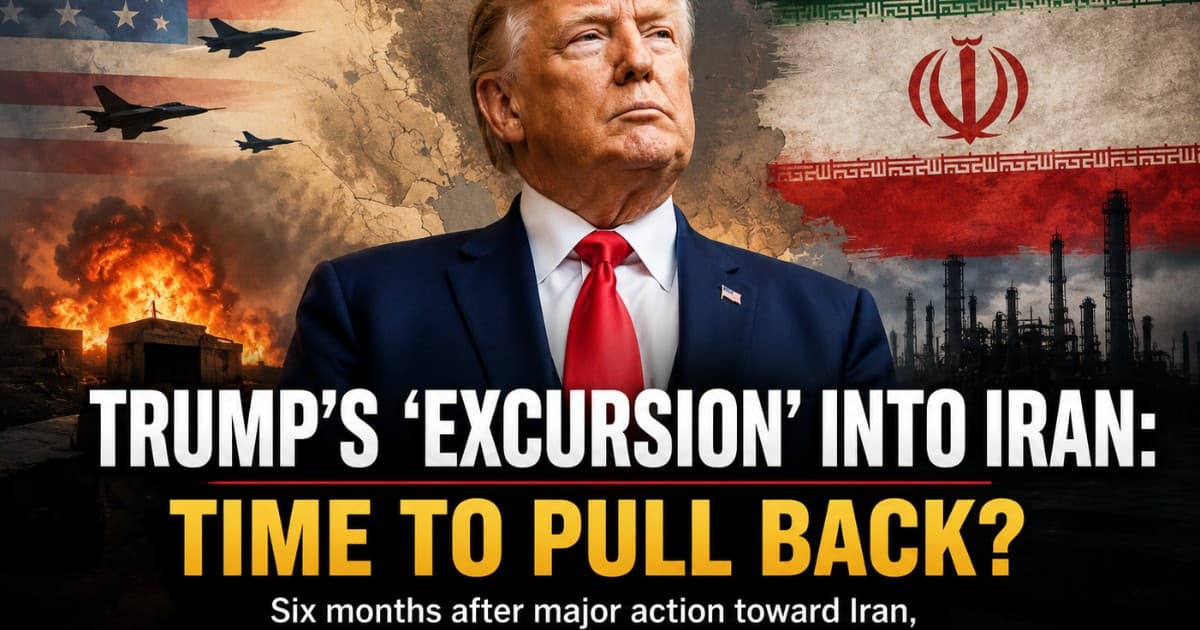
World
Half a Year In: Critics Demand Trump Administration Recalibrate Its Iran Strategy
By The Daily Ledger2 min read58 views
Six months into renewed US pressure on Iran, critics argue the Trump administration's approach has created more instability than resolution.
Six Months On, Questions Mount Over Trump's Iran Strategy
Six months after the Trump administration launched what critics have called a high-risk gamble with Iran, pressure is growing from foreign policy analysts, regional allies, and lawmakers for Washington to recalibrate its approach before the standoff deepens further.
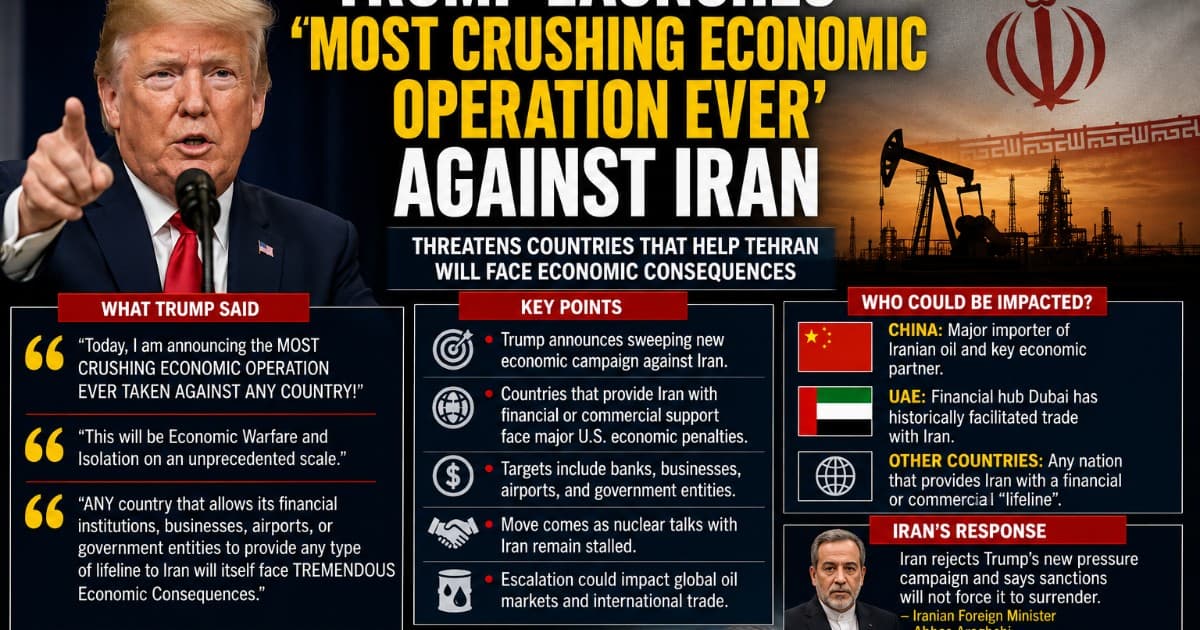
The administration entered its renewed engagement with the Iran file with familiar tools: sanctions, military posturing, and rhetorical maximalism. The stated goal was to force Tehran back to the negotiating table on terms more favorable to Washington than the 2015 nuclear deal, which Trump repudiated during his first term. Supporters of the approach argued that sustained economic and diplomatic pressure was the only language Iran's leadership would heed.
But half a year on, the results have proven more complicated than the policy's architects anticipated. Iran has not fundamentally altered its behavior in the ways Washington demanded. Its nuclear program has continued to advance, and its network of regional relationships — spanning armed groups across the Middle East — has shown little sign of contraction.
For critics, the trajectory raises an uncomfortable question: at what point does pressure become provocation, and provocation become an outcome no one can control?
The human cost of the standoff has also drawn scrutiny. Broad sanctions regimes, regardless of how precisely they are targeted, have historically exerted significant pressure on civilian populations. Critics argue that ordinary Iranians have borne a disproportionate share of the economic pain, while the country's political leadership has remained insulated and unyielding.
Within Washington, the debate has split along familiar lines. Hawkish voices in the foreign policy establishment continue to argue that any relaxation of pressure would be read by Tehran as weakness, potentially accelerating rather than halting its nuclear ambitions. Skeptics counter that six months of escalation have produced no measurable concessions and have instead pushed Iran closer to other adversarial powers.
America's regional partners, many of whom have their own complex and sometimes contradictory relationships with Iran, have been watching the standoff with a mixture of concern and frustration. Several Gulf states have quietly pursued their own diplomatic back-channels with Tehran even as they maintain formal alignment with Washington's broader posture — a sign that confidence in the current approach is not unconditional.
The coming months will be critical. Diplomatic options, while narrowed, have not entirely closed. Whether the administration chooses to pursue them, or whether it doubles down on a pressure campaign that has so far produced more volatility than resolution, will likely define the shape of one of the most consequential foreign policy challenges of Trump's second term.
Comments (0)
No comments yet. Be the first to share your thoughts.
Leave a comment
Comments are reviewed before they appear.