 Breaking News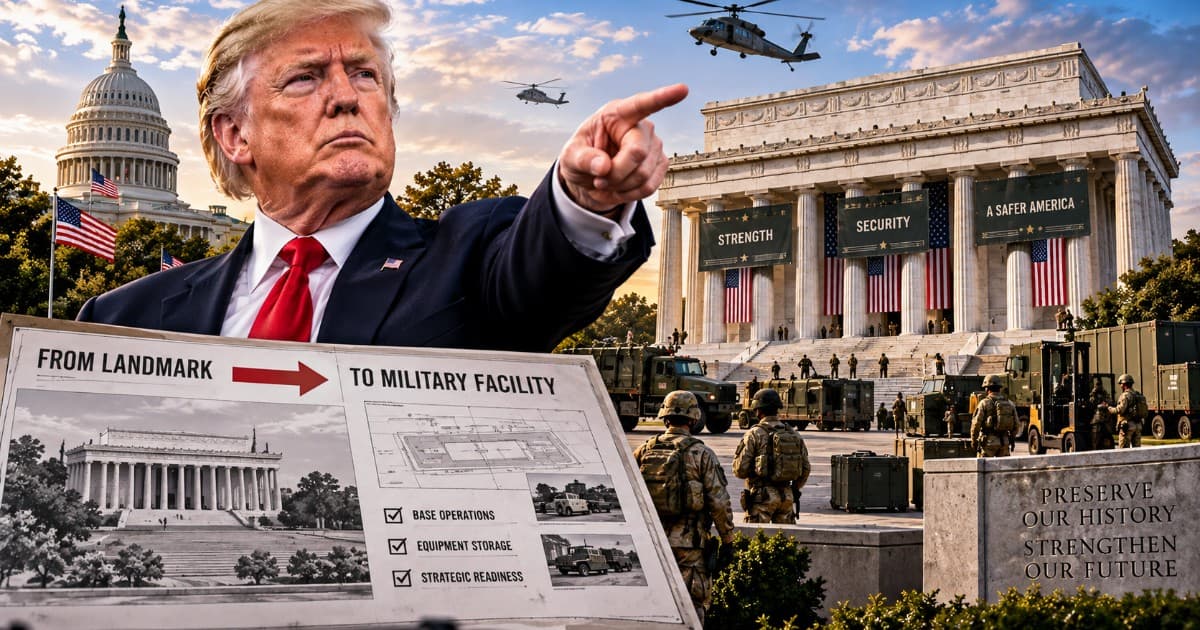
Breaking News
Trump Proposes Military Complex at DC Triumphal Arch Site
By The Daily Ledger2 min read4 views
Former President Trump has suggested converting a triumphal arch in Washington, DC into a military complex, reigniting discussion about land use and…
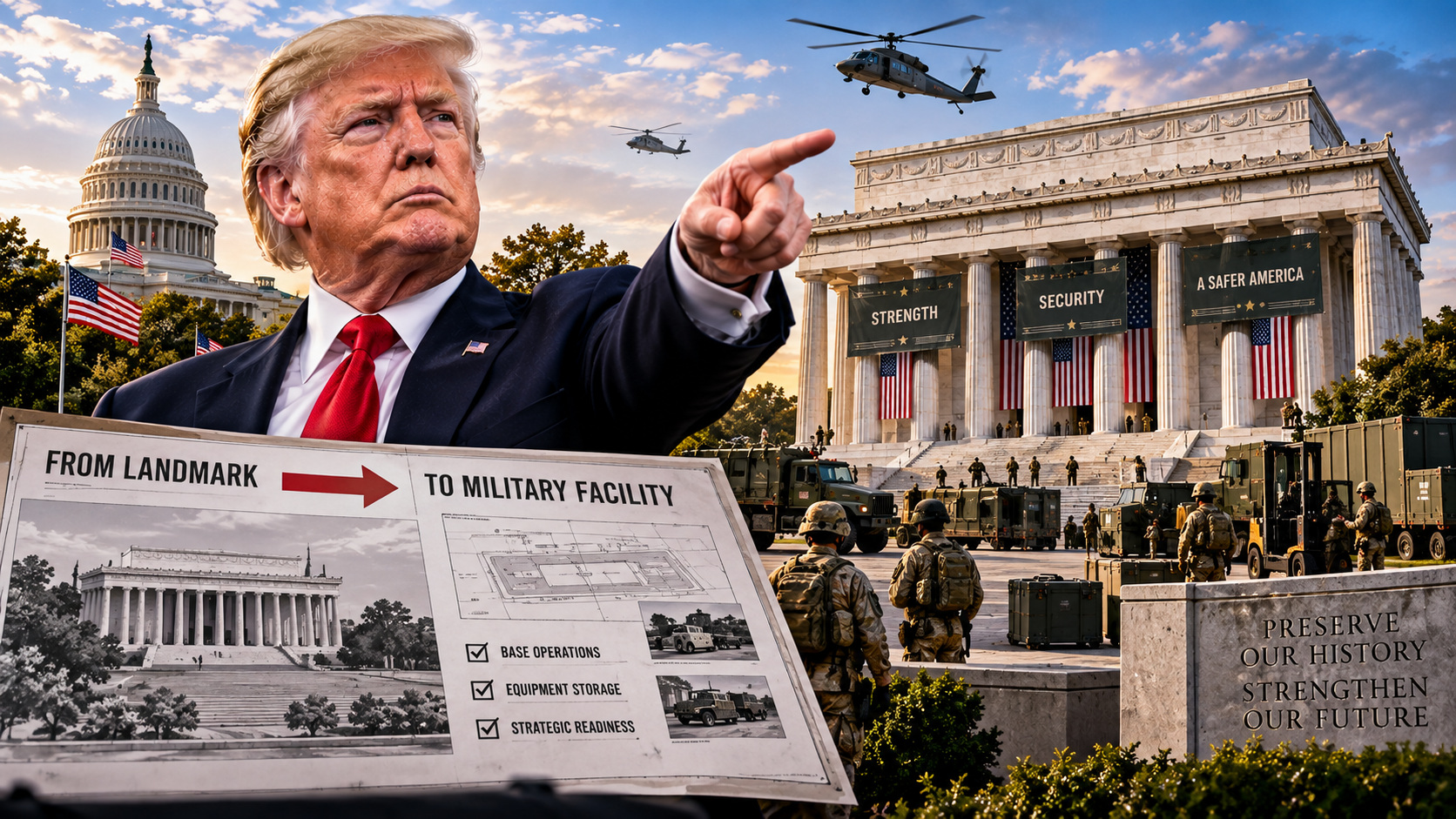
Former President Donald Trump has proposed converting a triumphal arch structure in Washington, DC into a military complex, marking another high-profile statement about infrastructure and defense priorities in the nation's capital.
The proposal reflects Trump's longstanding emphasis on military spending and infrastructure development. During his presidency, Trump championed increased defense budgets and pursued various construction projects viewed as central to American strength and capabilities.
The suggestion to repurpose an existing monument raises complex questions about preservation, urban planning, and the symbolic use of DC's iconic architecture. Washington's monumental landscape is tightly regulated through federal oversight and the DC government's planning processes. Any significant structural change would require navigating multiple approval layers and addressing historical preservation standards.
Preservation advocates have traditionally resisted proposals to alter or remove established monuments, citing both architectural heritage and the historical narrative embedded in DC's design. Military officials and defense planners, by contrast, may view modernized facilities as essential infrastructure. The tension between these priorities has surfaced repeatedly in discussions about how the capital evolves.
It remains unclear whether Trump's statement represents a formal policy proposal, a concept under serious consideration, or a public expression of strategic thinking. The specifics of the military complex—its scale, staffing, and operational purpose—have not been extensively detailed in available reporting.
DC's planning and zoning framework grants significant authority to federal agencies, particularly given the capital's unique status as a federal district. Any conversion of this scope would likely require approval from the Commission of Fine Arts, the National Capital Planning Commission, and relevant military leadership. Public input and environmental assessments would also typically precede such a major undertaking.
The proposal adds to ongoing discussions about how Washington's infrastructure should evolve to meet contemporary defense and administrative needs while respecting the city's role as a repository of historical and symbolic architecture.


Comments (0)
No comments yet. Be the first to share your thoughts.
Leave a comment
Comments are reviewed before they appear.