 Breaking News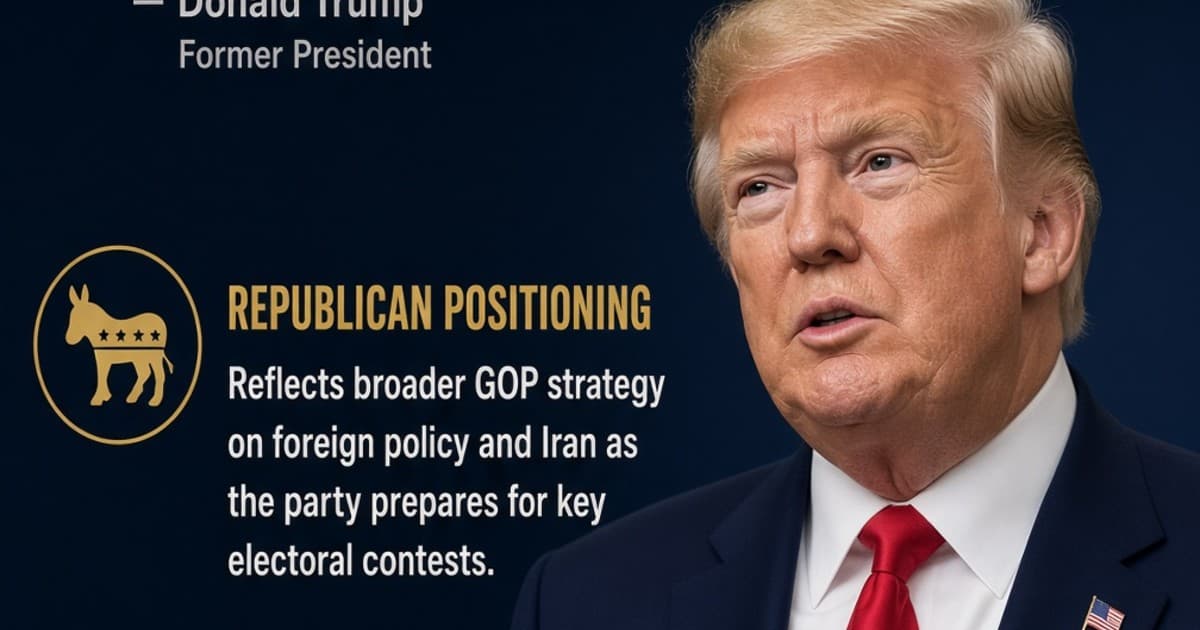
Breaking News
Trump Predicts Iran Nuclear Deal Progress After Midterms
By The Daily Ledger2 min read3 views
Donald Trump said he expects a nuclear agreement with Iran could materialize following November's midterm elections, signaling Republican interest in reshaping…
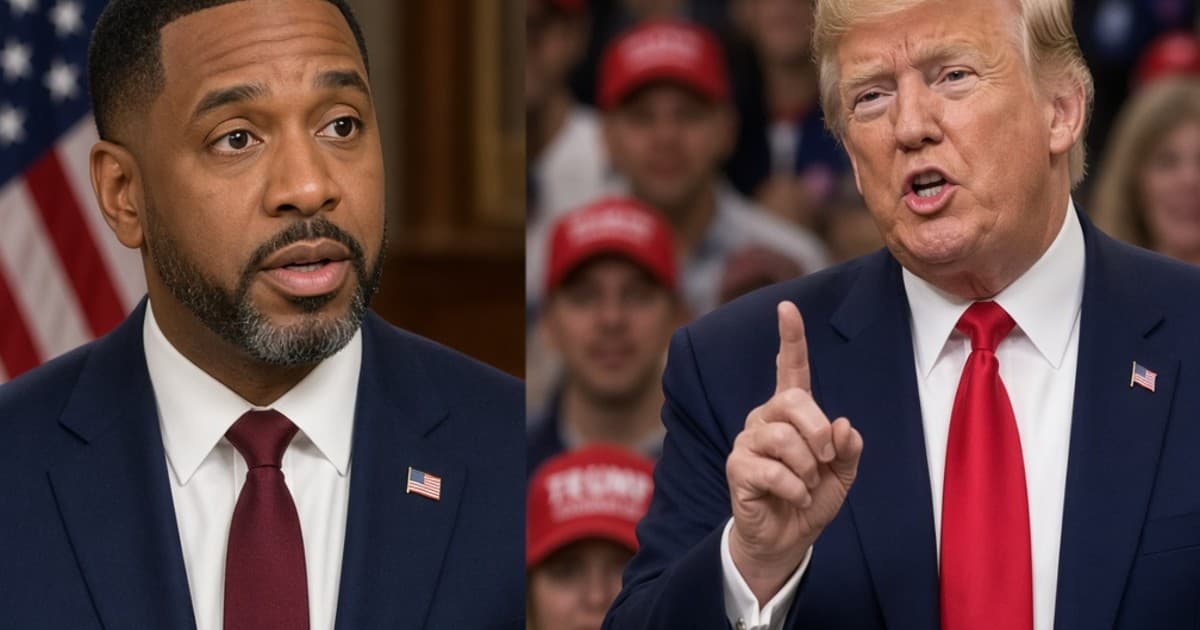
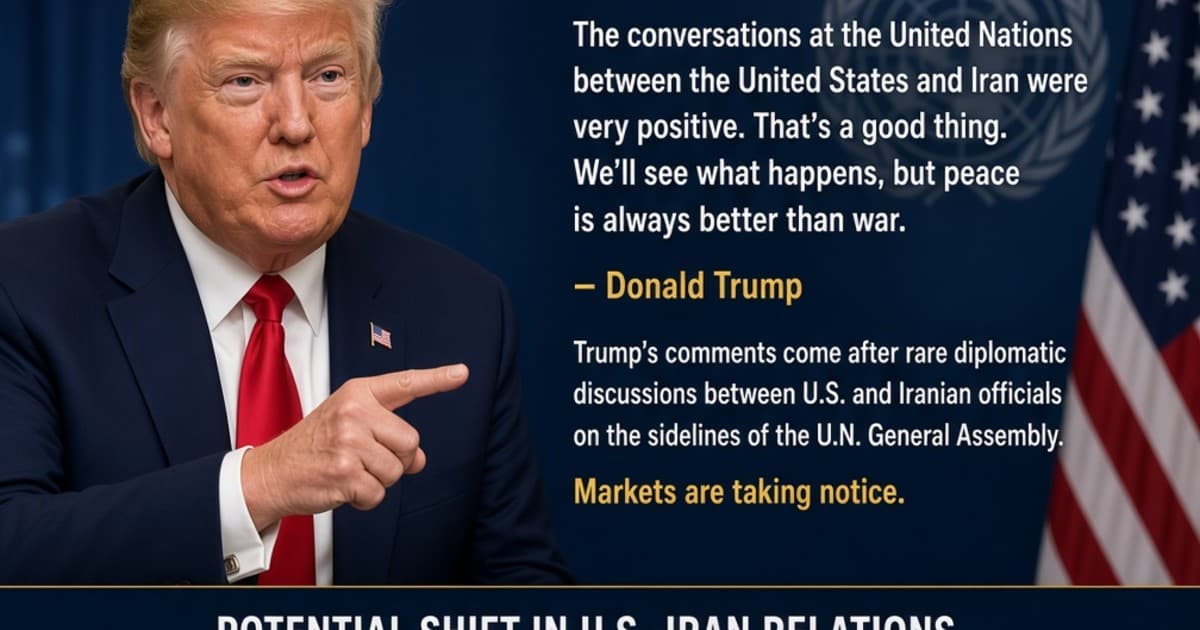
Former President Donald Trump suggested this week that he expects a nuclear agreement with Iran could be reached following the midterm elections, potentially signaling a shift in Republican positioning on one of the most contentious foreign policy issues in recent years.
Trump's remarks come as the party prepares for November's congressional contests. The comment reflects differing visions for U.S. engagement with Iran between Republicans and the current Biden administration, which has been engaged in indirect talks with Iranian officials aimed at restoring a nuclear accord.
The Trump administration departed from the 2015 nuclear agreement in 2018, citing limitations on inspection protocols and the scope of restrictions on Iranian nuclear activities. That withdrawal triggered international debate and led to the reimposition of economic sanctions on Iran. Since taking office, President Biden has sought to revive negotiations over the agreement's terms alongside the remaining signatories and Iran.
Trump's timeline references tied to the midterm elections suggest political strategy underlying foreign policy calculations. Election outcomes could reshape the composition and priorities of Congress, potentially influencing which diplomatic initiatives move forward or face obstruction.
The specifics of what Trump envisions in a renewed Iran agreement remain unclear from his public statements. International observers have noted that any agreement would likely need to address longstanding concerns about verification, the duration of nuclear restrictions, and the sequencing of sanctions relief.
Iran's government has stated its willingness to resume negotiations under certain conditions, though talks have stalled at various points over the past several years. European partners in the original 2015 accord have sought to preserve the agreement while acknowledging the challenges posed by U.S. withdrawal and renewed American sanctions.
The issue continues to divide American policymakers and foreign policy experts across party lines, with disagreements centered on whether engagement or pressure represents the most effective approach to limiting Iran's nuclear capabilities.
Comments (0)
No comments yet. Be the first to share your thoughts.
Leave a comment
Comments are reviewed before they appear.