 Breaking News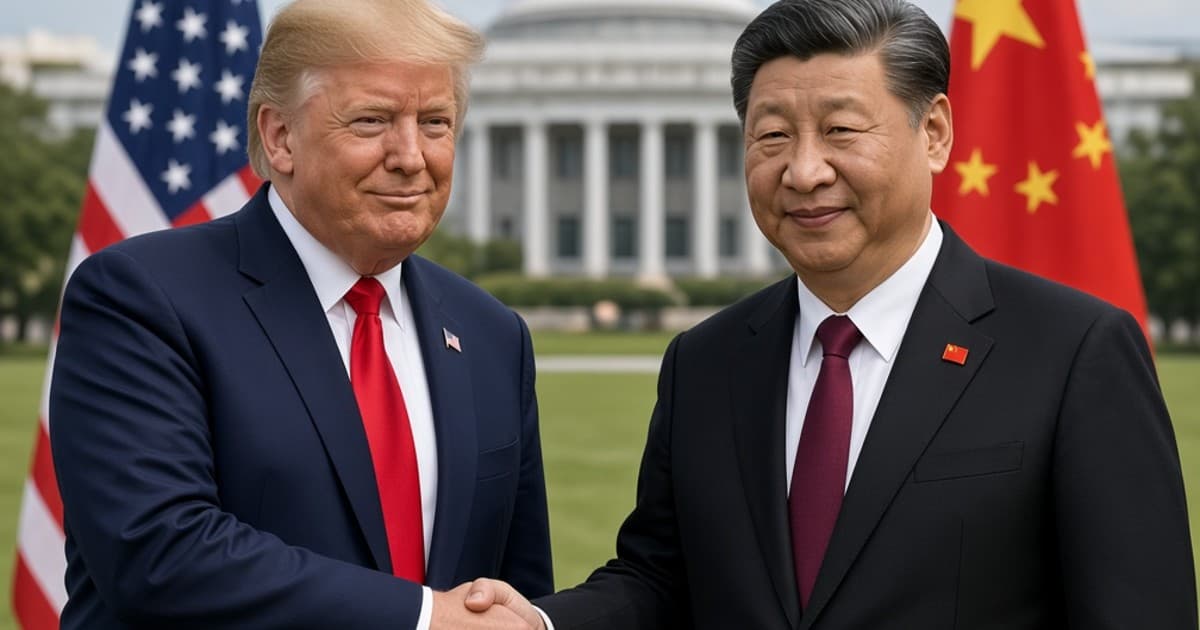
Breaking News
Trump Hosts Xi Jinping in Washington amid U.S.-China Diplomatic Efforts
By The Daily Ledger1 min read2 views
Donald Trump welcomes Chinese President Xi Jinping to Washington for talks aimed at addressing bilateral trade, security, and diplomatic concerns between the…
Former President Donald Trump hosted Chinese President Xi Jinping at the White House on a state visit aimed at addressing longstanding tensions between Washington and Beijing.
The high-level meeting brought together the leaders of the world's two largest economies amid ongoing disputes over trade, technology, and regional security. Trump's reception of Xi marked a formal diplomatic engagement between the nations after years of escalating commercial and geopolitical friction.
State visits carry significant ceremonial weight in international diplomacy, signaling the host nation's commitment to dialogue and cooperation. The invitation reflected an effort to establish direct communication channels on critical bilateral issues, including tariffs, intellectual property concerns, and technology policy.
The meeting agenda encompassed multiple areas of dispute and potential collaboration. Trade policy, which had been a central focus during Trump's previous administration, remained a key topic. Beyond commerce, discussions likely touched on security concerns in the Asia-Pacific region, including Chinese military activities and strategic competition between the nations.
The timing and scope of the visit underscored the complexity of contemporary U.S.-China relations. Both nations face competing interests in areas ranging from defense spending to supply chain resilience, yet both recognize the importance of maintaining working relationships to prevent escalation.
For Trump, the visit represented an opportunity to demonstrate diplomatic engagement with major world powers. For China, it provided a platform to present its perspective on bilateral relations and explore pathways toward more stable engagement.
How the two nations move forward on specific issues raised during the visit remains to be seen, but the decision to hold substantive talks at this level indicates both sides value direct dialogue over prolonged conflict. The success of such diplomatic efforts often depends on whether agreements reached can withstand shifting domestic political pressures in each country.


Comments (0)
No comments yet. Be the first to share your thoughts.
Leave a comment
Comments are reviewed before they appear.