 Breaking News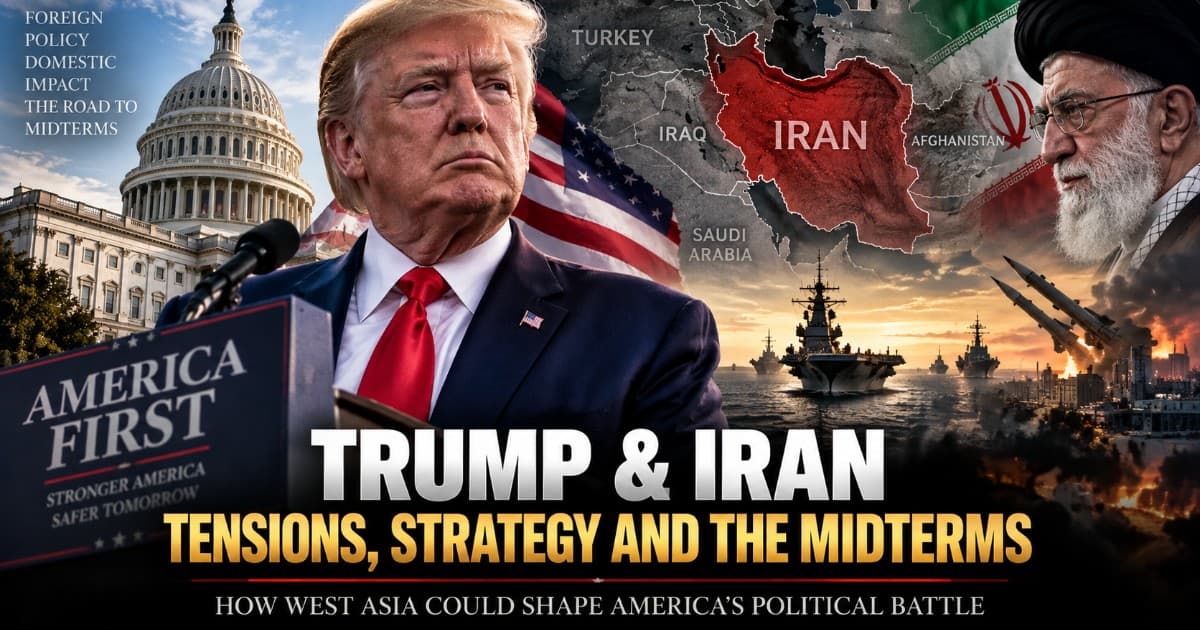
Breaking News
Trump Eyes Political Gains From West Asia Tensions as Iran Standoff Intensifies
By The Daily Ledger3 min read10 views
As tensions escalate across West Asia, the Trump administration's foreign policy posture toward Iran is becoming a central element of its broader midterm…
West Asia War, Trump's Midterm Strategy, and the Iran Question: Key Takeaways
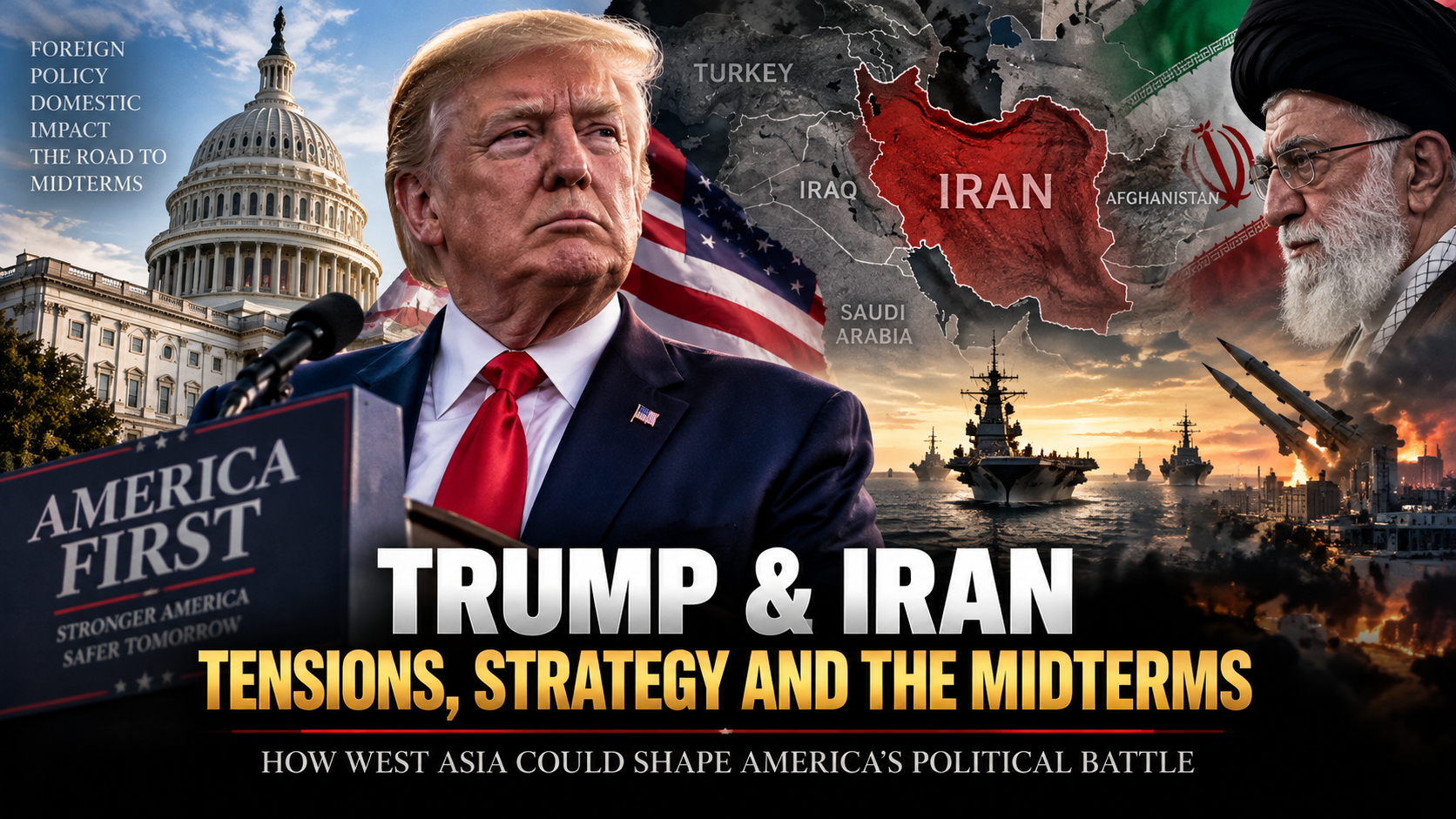
As armed conflict continues to roil parts of West Asia, the Trump administration is navigating a foreign policy landscape that carries significant consequences both abroad and at home — including for the political terrain heading into the next midterm election cycle.
The region has long been a pressure point for American presidents, but the current moment presents a particular convergence: active hostilities involving Iran-linked forces, a White House with a stated commitment to a tougher posture toward Tehran, and a domestic political environment in which national security messaging is being carefully calibrated.
The Regional Picture
Conflict across West Asia has drawn in a complex web of state and non-state actors, with Iran's network of allied groups playing a role in multiple theaters. The United States maintains significant military assets and longstanding alliances in the region, putting American forces and diplomatic relationships at the center of any escalation calculus.
Iran has for years pursued influence through a combination of direct military capacity and support for proxy forces, a strategy that complicates any single-point U.S. response. Regional governments are watching Washington's posture closely, aware that shifts in American resolve — or restraint — ripple quickly through local security arrangements.
Trump's Strategic Calculations
For the Trump administration, a firm line on Iran serves multiple purposes simultaneously. On the foreign policy front, it projects strength toward an adversary that the administration has long argued was insufficiently checked under previous diplomatic frameworks. On the domestic front, a resolute national security posture has historically been a reliable mobilizing force for the Republican base.
Presidents operating during periods of international tension have often seen at least a short-term consolidation of public support, though the effect is rarely permanent and can erode quickly if conflicts drag on or produce visible costs. The administration appears to be threading that needle — signaling toughness without committing visibly to an open-ended military campaign.
Political Risks on All Sides
The strategy is not without hazard. Foreign policy analysts have raised concern that escalatory rhetoric, if matched by escalatory action, could draw the United States deeper into a regional conflict with unpredictable consequences. Iran's capacity to respond asymmetrically — through cyber operations, proxy attacks, or disruption of maritime trade routes — means the costs of miscalculation can be sudden and significant.
Democrats have argued that the administration risks inflaming a volatile situation for political effect, while some Republicans have called for an even harder line. Congress continues to debate the boundaries of executive authority over military action, a constitutional friction point that predates the current administration but sharpens whenever conflict feels imminent.
Economic Stakes
Any serious escalation involving Iran would likely affect global oil markets, given the country's production capacity and the region's role in energy transit. Elevated energy prices feed directly into inflation figures that voters track closely — meaning that the political upside of a tough foreign policy stance could be undercut by the economic consequences of an actual conflict.
Looking Ahead
How the situation develops in the coming weeks will test whether the administration's approach holds together strategically. With the midterm cycle beginning to draw political attention, the handling of West Asia is likely to remain a central theme in debates over national security, executive power, and America's role abroad.
#Climate

Comments (0)
No comments yet. Be the first to share your thoughts.
Leave a comment
Comments are reviewed before they appear.