 Breaking News
Breaking News
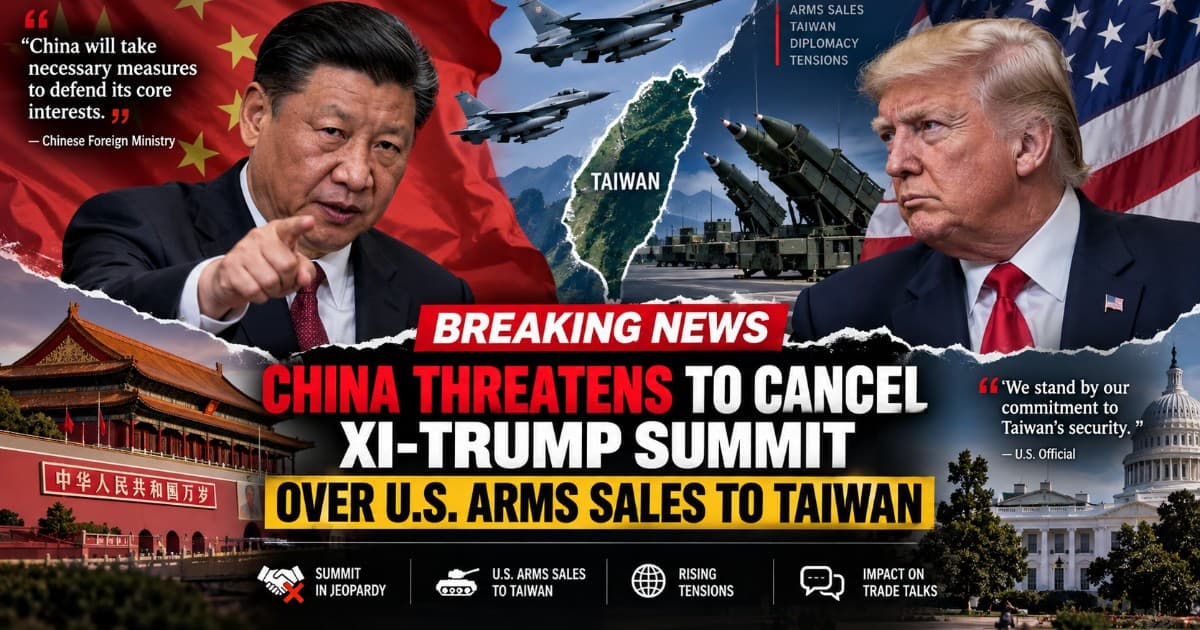
Trump Commands the Room at Republican Midterm Convention, Setting the Party's Tone
By The Daily Ledger2 min read14 views
Donald Trump dominated the Republican midterm convention, steering attention toward his priorities and reinforcing his grip on the GOP's direction.
'Trump Got the Headlines He Wanted': Inside the Republican Midterm Convention
Donald Trump walked away from the Republican midterm convention as its undisputed center of gravity — by design, according to people familiar with the event's planning. The gathering, intended to chart the party's course heading into the midterm elections, instead became a vivid demonstration of how thoroughly Trump continues to shape the Republican Party's identity, messaging, and priorities.
The convention featured a familiar mix of red-meat policy pledges, attacks on Democratic leadership, and pledges of loyalty that have characterized Republican gatherings since Trump first rose to national prominence. But strategists and observers noted that the sequencing and tone of key moments appeared carefully calibrated to generate favorable coverage for Trump specifically — and that the effort largely succeeded.
"Trump got the headlines he wanted," one Republican operative remarked afterward, a sentiment that captured a broader feeling among attendees that the event had served the former president's interests as much as the party's collective agenda.
For Republican candidates navigating competitive races, the convention presented the familiar challenge of embracing Trump's energy and his loyal base while crafting distinct messages for general-election audiences. Several speakers leaned heavily into Trump's rhetoric on border security, economic nationalism, and skepticism of Democratic governance, while others worked to weave in more localized concerns.
Behind the scenes, the dynamics reflected an enduring tension within the GOP. While the loudest voices in the room rallied around Trump's vision, some party officials and strategists have privately expressed concern that midterm success will require broadening the party's appeal beyond its core base. Those voices were notably quieter on the convention floor.
Trump himself — whether present in person or through surrogates and pre-recorded messaging — cast a long shadow over the proceedings. His preferred issues dominated the agenda, and candidates who have sought his endorsement were prominent throughout. The effect was a convention that felt less like a strategic planning session for a midterm campaign and more like a reaffirmation of the Trump movement's hold on the Republican mainstream.
For the party's leadership, the challenge in the weeks ahead will be translating the energy of the convention floor into electoral victories in districts and states where Trump's brand of politics remains contested. Historically, midterm elections turn heavily on local concerns, economic conditions, and voter enthusiasm — factors that do not always align neatly with the priorities of a single dominant political figure.
What the convention made clear is that any Republican seeking national prominence in the near term will need to reckon with Trump's continued presence — and that Trump, for his part, has no intention of receding from view.
Comments (0)
No comments yet. Be the first to share your thoughts.
Leave a comment
Comments are reviewed before they appear.