 Breaking News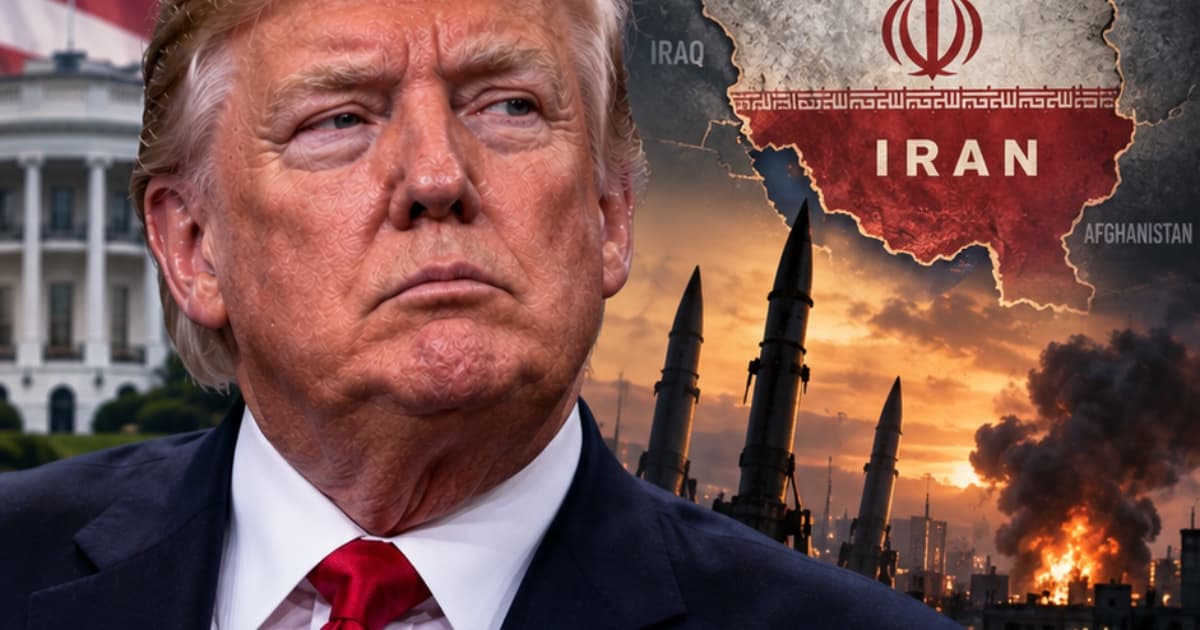
Breaking News
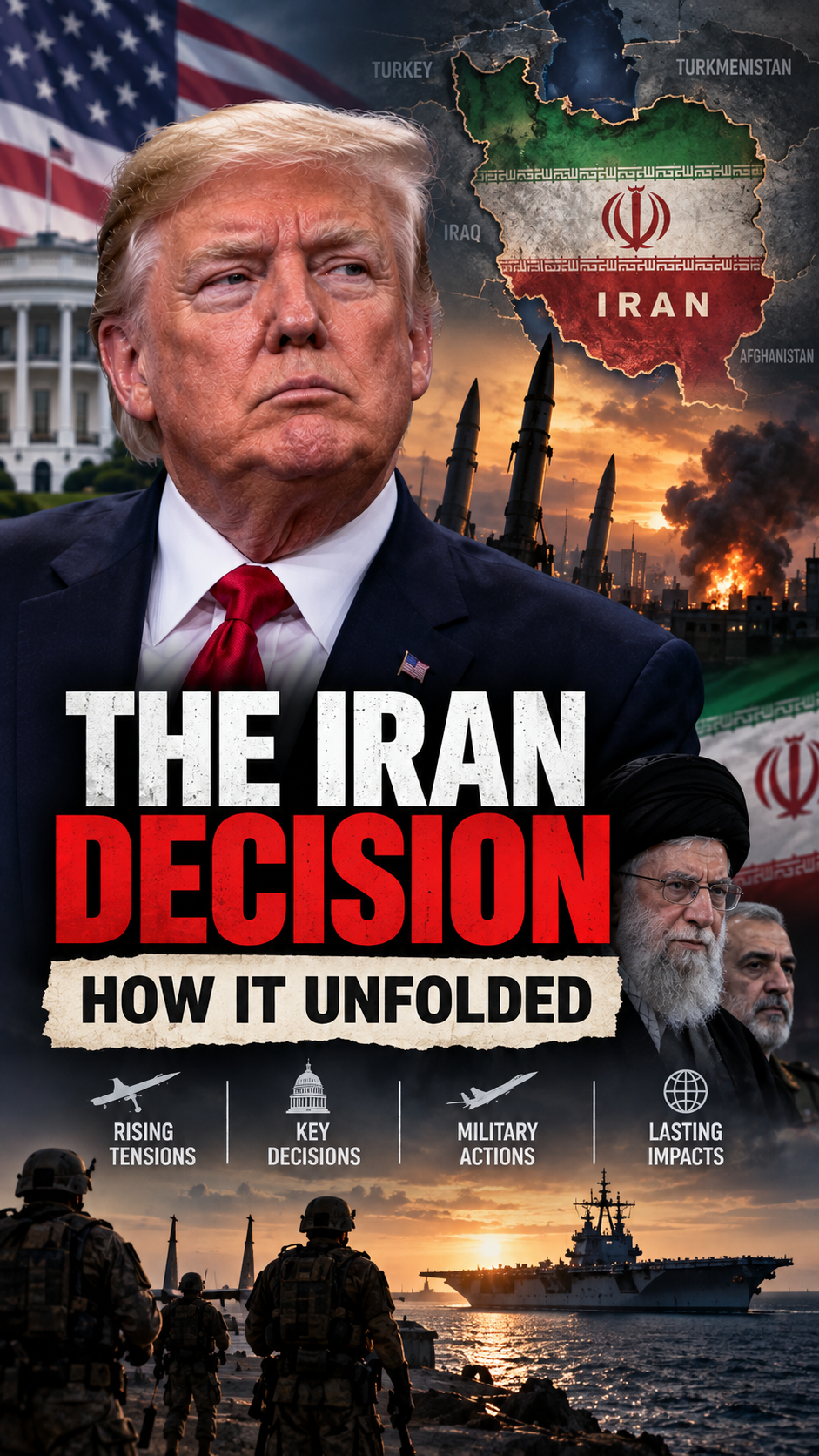
Tracing the Iran Decision: Inside Trump's Foreign Policy Calculus
By The Daily Ledger1 min read11 views
A retrospective examination of Iran policy decisions and events, analyzing the sequence of choices and circumstances that shaped one of the Trump…
The relationship between the United States and Iran has long been fraught with tension, punctuated by dramatic shifts in policy and rhetoric. During his presidency, Donald Trump oversaw several major decisions regarding Iran that reshaped diplomatic and strategic calculations in the Middle East and beyond.
Understanding how these pivotal moments came to pass requires examining the constellation of pressures, advisors, and assumptions that informed the administration's approach. Trump took office amid debate over the Obama-era nuclear agreement with Iran, known formally as the Joint Comprehensive Plan of Action. That accord, negotiated with international partners and designed to constrain Iran's nuclear program in exchange for sanctions relief, faced fierce criticism from certain Republican quarters and hawks within the new administration.
The decision-making process reflected competing worldviews within Trump's team. Some officials viewed the agreement as insufficiently stringent and harboring loopholes that Iran could exploit. Others, including certain international allies, maintained that the deal represented a stable framework worth preserving. This internal friction set the stage for the policy direction that ultimately prevailed.
The consequences of these choices extended far beyond Washington. Regional powers watched closely as the U.S. shifted its posture, recalibrating their own strategies accordingly. European allies found themselves navigating a divergence from American policy, attempting to preserve elements of the agreement even as the U.S. withdrew its participation. Iran itself responded with escalations and counter-escalations, creating cycles of tension that persisted well beyond Trump's time in office.
Retrospective analysis of this period reveals how particular decisions, made under specific circumstances and with incomplete information, set trajectories that proved difficult to reverse. The choices illuminate broader questions about how foreign policy takes shape—the weight of ideology versus pragmatism, the role of advisors in steering presidential decisions, and the durability of diplomatic arrangements once they have been fundamentally altered.

Comments (0)
No comments yet. Be the first to share your thoughts.
Leave a comment
Comments are reviewed before they appear.