 Breaking News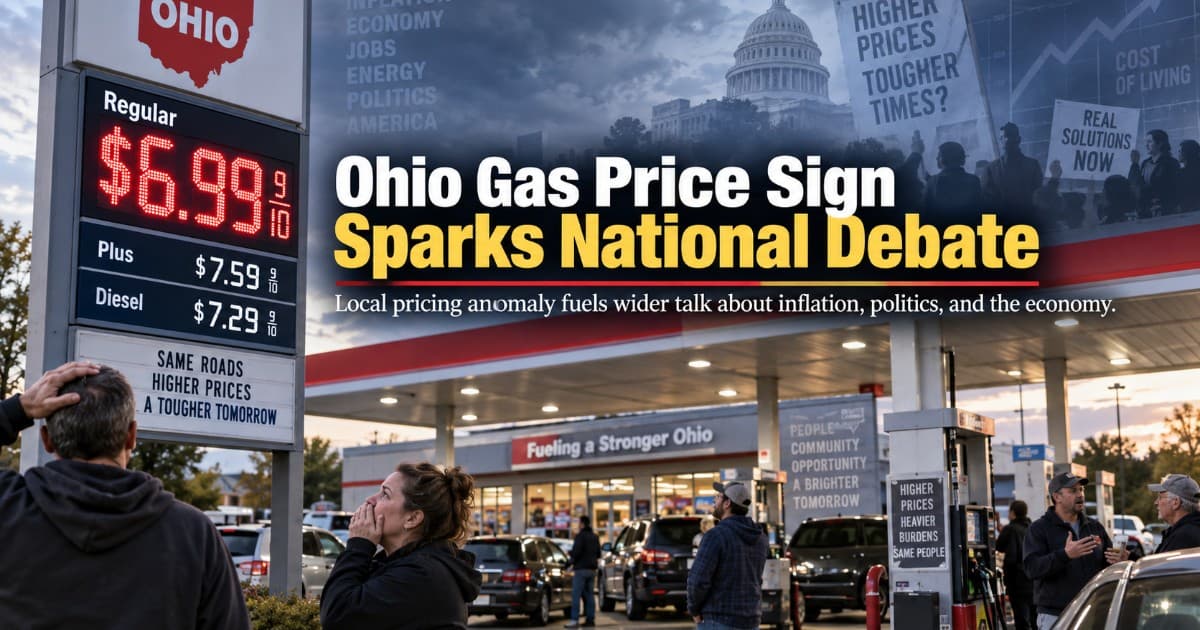
Breaking News
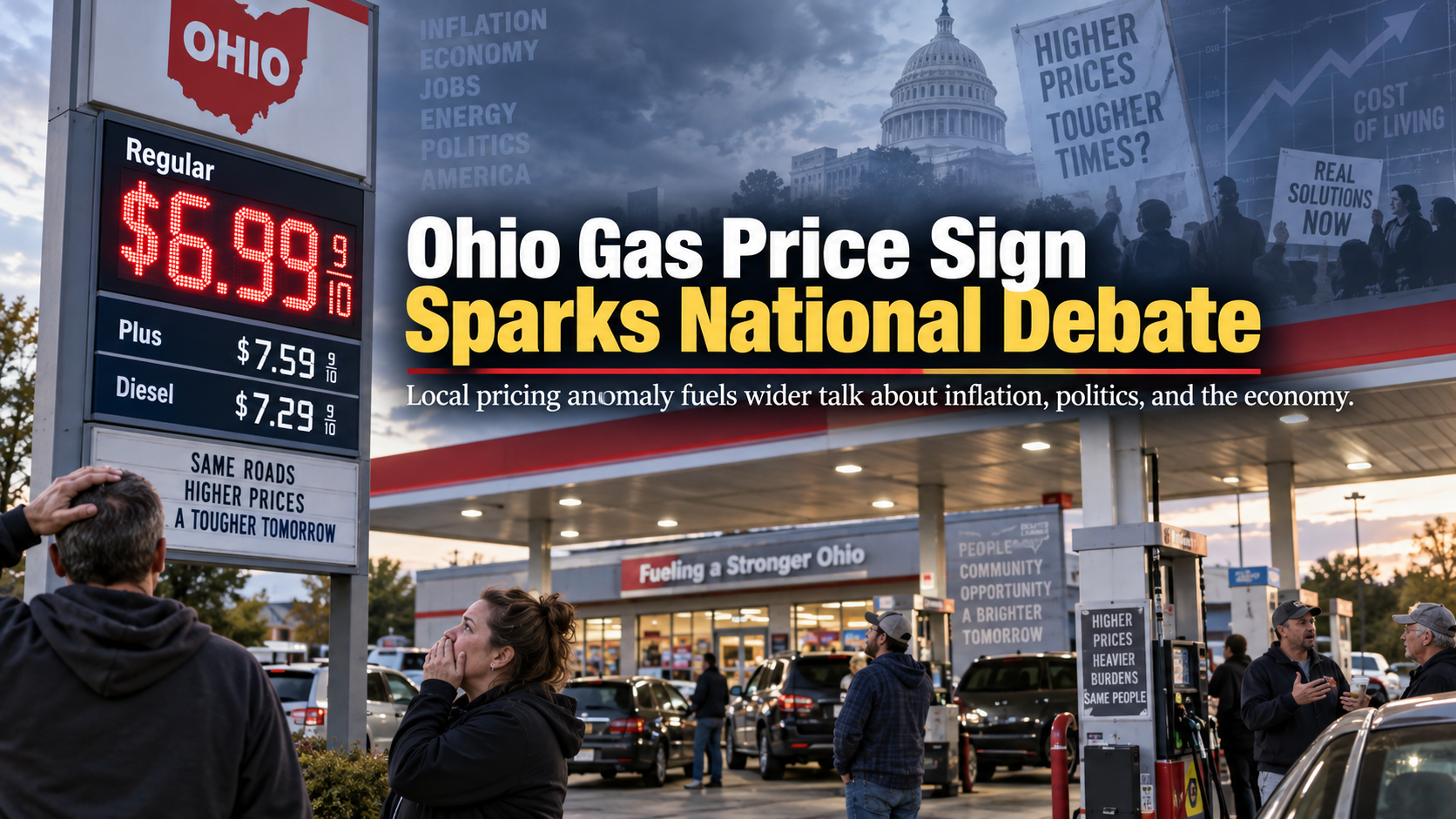
Ohio Gas Station's $9.99 Price Tag Ignites Debate Over Fuel Costs and Politics
By The Daily Ledger1 min read1 views
An Ohio gas station's decision to display $9.99 per gallon for regular fuel sparked widespread online reaction and renewed focus on gasoline prices and…
A gas station in Ohio drew national attention after displaying a price of $9.99 per gallon for regular gasoline, an amount significantly above the national average. The high price listing became a focal point for online discussion, circulating across social media platforms and political commentary channels.
The circumstances surrounding the display remain central to understanding the story's significance. Whether the price reflected actual market conditions, represented a temporary promotional display, or served as a deliberate political statement influences how observers interpreted the incident. Some viewed it as evidence of inflation and economic strain, while others questioned whether it accurately represented typical regional pricing.
Gas prices have long served as a barometer in American political discourse, particularly during periods of economic uncertainty. When anomalies like an unusually high pump price emerge, they often become symbols in broader debates about inflation, energy policy, and economic management. The incident's connection to political messaging—especially in contexts involving Trump-related commentary—reflects how individual pricing data points can be woven into larger narratives about the economy.
Regional variations in gas prices are common and reflect differences in state taxes, local demand, refinery proximity, and operational costs. A single station's pricing may not reflect broader market trends. Understanding the broader context of Ohio's fuel market at the time of the display would be necessary to assess what the price actually indicated about economic conditions.
The incident illustrates how localized occurrences can rapidly gain national visibility through digital media, and how they become integrated into political conversation. Whether the $9.99 price was a anomaly, a statement, or something else, its appearance and spread demonstrated the public's ongoing sensitivity to fuel costs and their role in political messaging.


Comments (0)
No comments yet. Be the first to share your thoughts.
Leave a comment
Comments are reviewed before they appear.