 Breaking News
Breaking News
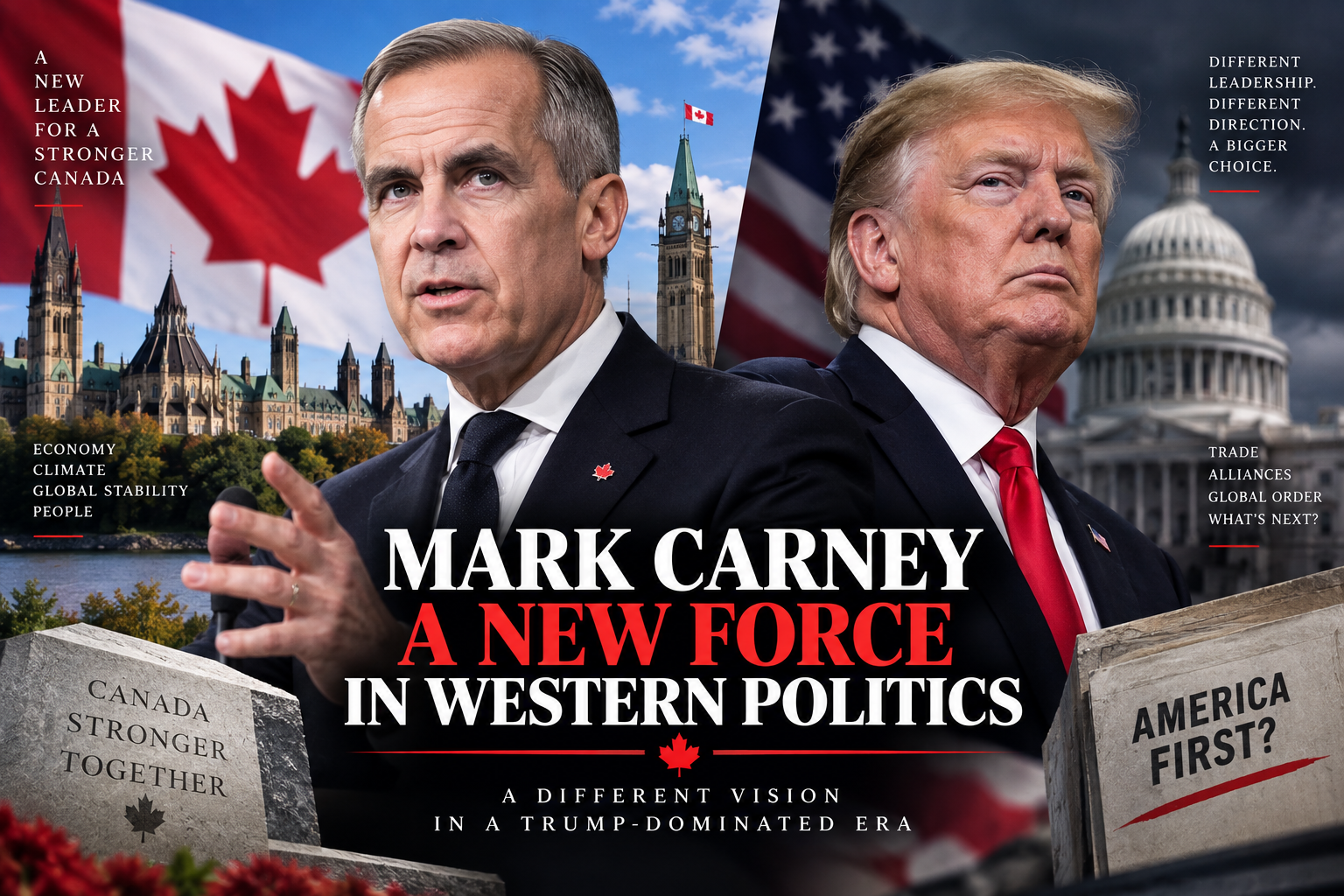
Mark Carney's Rise in Canadian Politics: A Western Alternative to Trump?
By The Daily Ledger2 min read4 views
Mark Carney has become a focal point in Canadian politics as discussions intensify about leadership in a changing geopolitical landscape dominated by Donald…
Mark Carney has emerged as a notable figure in Canadian political discussion, with observers pointing to his technical expertise and international credentials as assets in an increasingly complex geopolitical environment. The renewed prominence of Donald Trump in American politics has sharpened focus on alternative leadership models in Canada and other Western nations.
Carney's background in banking and financial regulation, combined with his previous roles in economic governance, has made him a recognizable voice on matters of fiscal policy and international trade. His perspective is shaped by years of experience navigating global financial systems and institutional responses to economic crises. Unlike many political figures, Carney's profile rests primarily on technical competence rather than party politics.
Discussions about his potential leadership reflect broader anxieties in Canada about how to chart an independent economic and foreign policy course. Trade relationships, particularly with the United States, remain central to Canadian prosperity, and the direction of U.S. policy under different administrations carries direct implications for Canadian workers and businesses.
Carney's appeal to some observers stems from his perceived distance from conventional partisan politics and his emphasis on evidence-based policymaking. His international experience—including roles with multilateral institutions—represents an approach that prioritizes coordination and long-term institutional stability.
However, the path from economic expert to elected political leader involves distinct challenges. Political leadership requires not only policy expertise but also the ability to build party organizations, communicate with voters across regions, and navigate the compromises inherent in democratic governance. Carney's outsider status, while potentially attractive to some voters seeking change, may prove complicated in the context of established party structures.
The broader question animating much of this discussion concerns what kind of leadership Canadians believe their country needs as global politics shifts. Whether Carney himself pursues political office, his prominence in these conversations reflects ongoing debate about Canada's economic strategy, its relationship to the United States, and the qualities Canadians value in political leadership during uncertain times.


Comments (0)
No comments yet. Be the first to share your thoughts.
Leave a comment
Comments are reviewed before they appear.