 Breaking News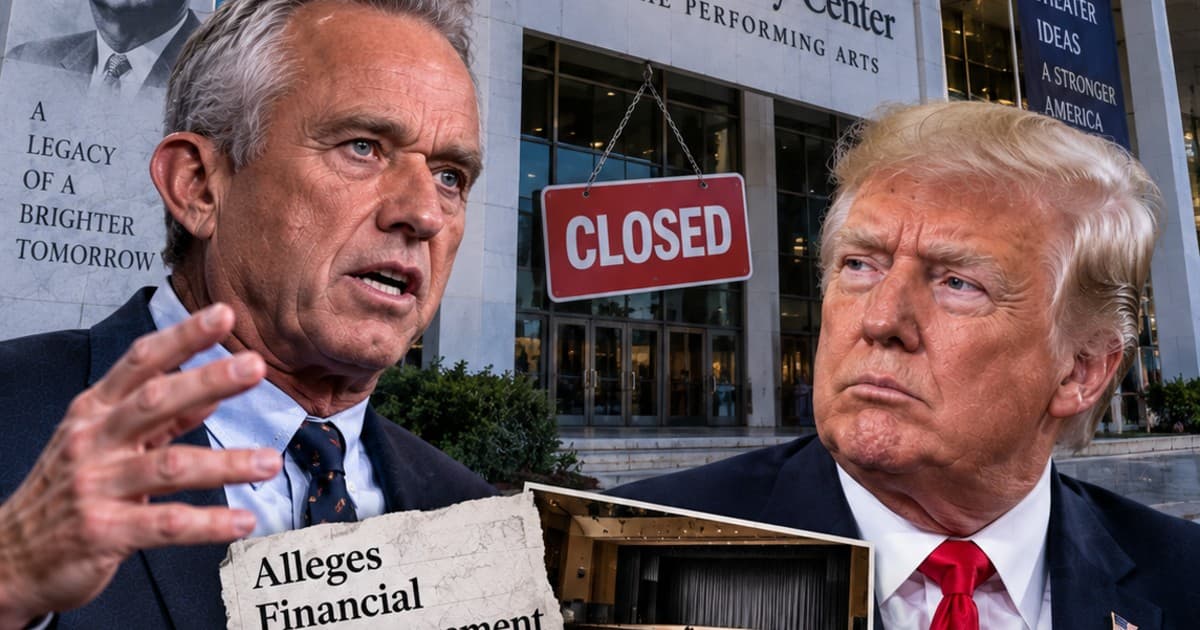
Breaking News
Kennedy Family Member Accuses Trump of Damaging Kennedy Center in Public Dispute
By The Daily Ledger2 min read8 views
A member of the Kennedy family has publicly criticized Trump's approach to the Kennedy Center, claiming a pattern of financial damage to institutions under his…
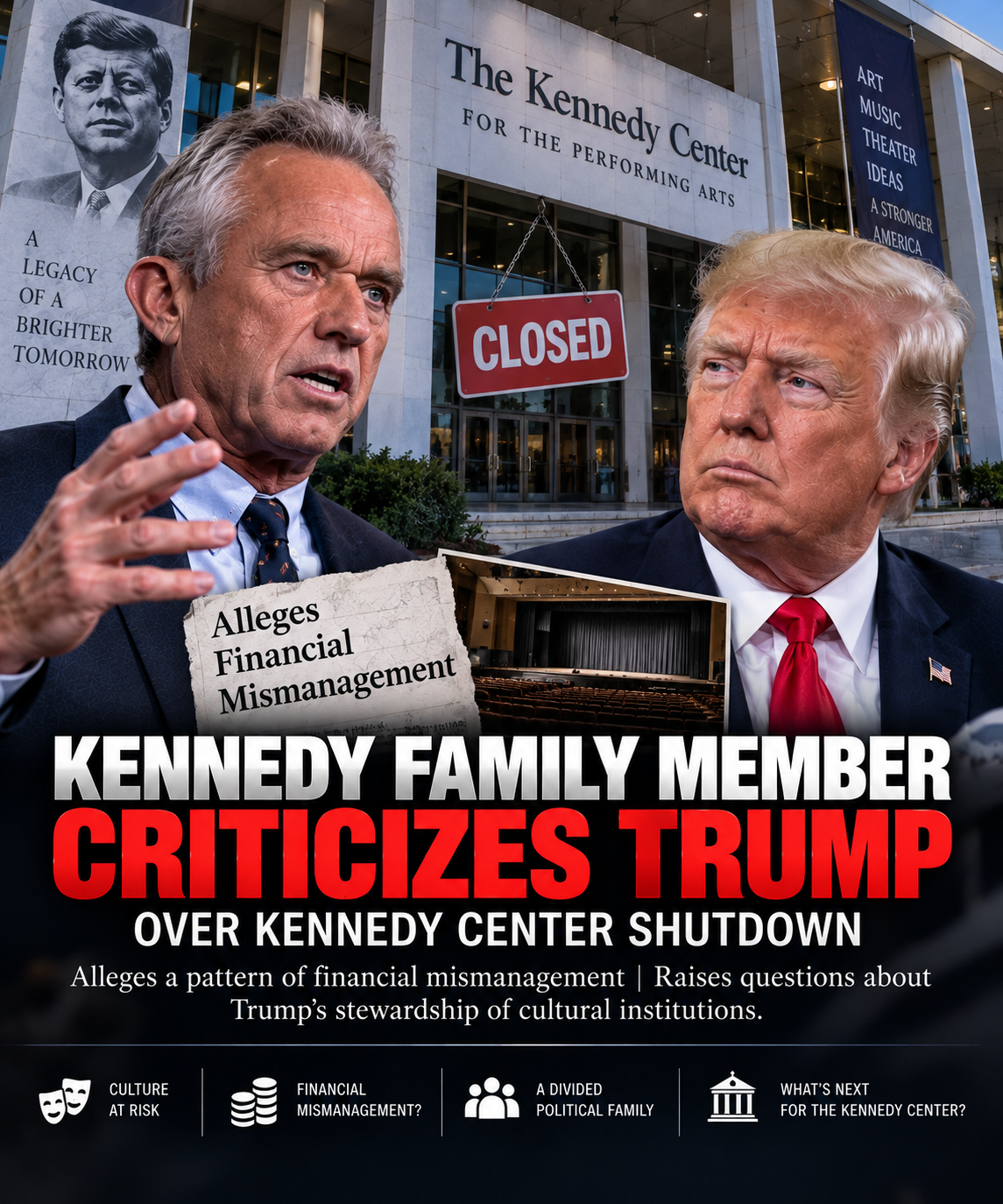
A member of the Kennedy family has publicly criticized President Trump over operational changes at the Kennedy Center for the Performing Arts, alleging a damaging pattern tied to his business and administrative decisions.
The statement characterized Trump's involvement as destructive to institutions, claiming that he leaves financial wreckage in his wake. The criticism emerged amid reported disruptions to the Kennedy Center's operations, though specifics about the nature and scope of the shutdown remain points of contention.
The public rebuke highlights fractures within one of America's most prominent political families. While Robert F. Kennedy Jr. has aligned himself with Trump on various policy matters in recent years, his relatives maintain different political perspectives and priorities. The Kennedy Center holds particular symbolic weight for the family, connected as it is to the broader Kennedy legacy of public service and cultural patronage.
The Kennedy Center, a federally supported institution, serves as a major performing arts venue in Washington, D.C., hosting theater, music, and dance programming and employing hundreds of artists and staff. Any operational disruption or funding crisis has immediate ripple effects throughout the cultural sector.
The criticism touches on a recurring question in American politics: the relationship between executive decision-making and the health of major institutions. Whether through budgetary pressure, staffing changes, or policy shifts, presidential actions influence how cultural venues operate and serve their communities.
Family members of prominent political figures occasionally find themselves at odds over policy and approach, but public statements questioning a president's track record with major institutions represent a more direct challenge. The timing and specificity of the accusation suggest genuine concern about both immediate institutional welfare and longer-term consequences of administrative priorities.
The dispute underscores how decisions made at the highest levels of government extend into domains—arts, culture, public institutions—that depend on sustained support and stability to fulfill their missions.


Comments (0)
No comments yet. Be the first to share your thoughts.
Leave a comment
Comments are reviewed before they appear.