 Breaking News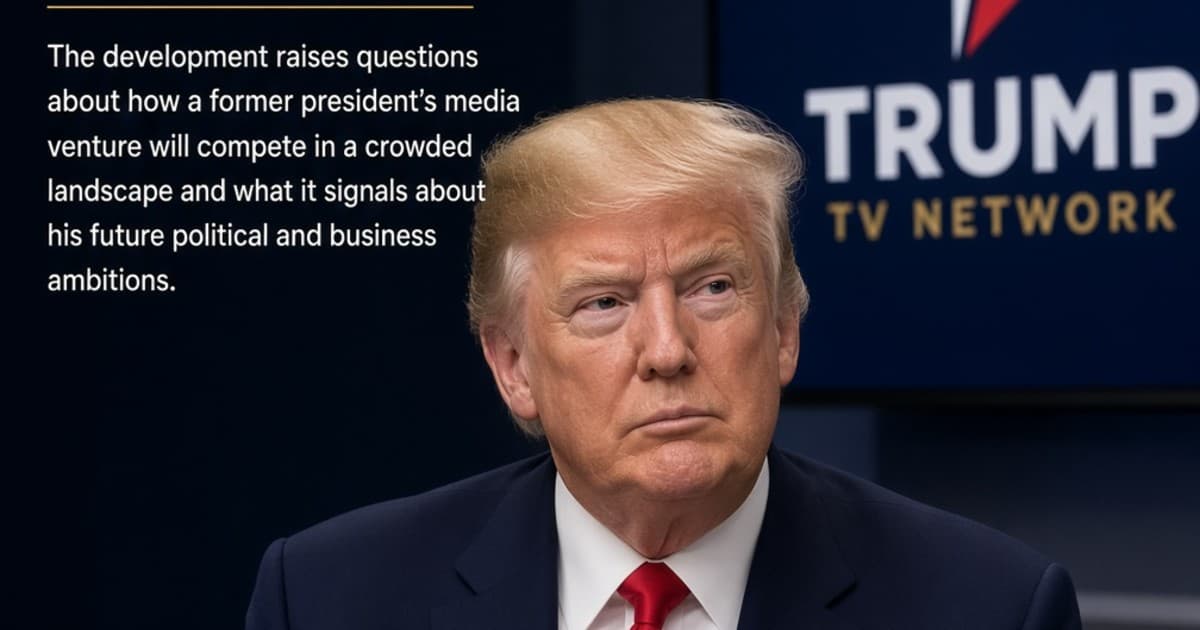
Breaking News
From Media Critic to Network Owner: Trump's Pivot Into Television Production
By The Daily Ledger2 min read2 views
Donald Trump's move into television ownership represents a strategic shift from his previous role as a prominent media consumer and commentator, raising…
Donald Trump's entry into television network ownership marks a notable transition for a figure who has spent decades as a media consumer, commentator, and critic rather than an operator. The venture represents a shift from Trump's established pattern of engaging with broadcasters and journalists from outside the industry to building his own platform.
Throughout his public career, Trump cultivated a reputation for close attention to media coverage and ratings. His experience in television prior to his political career included reality programming that achieved significant viewership, giving him exposure to production and audience dynamics. Yet his role remained largely that of talent and executive producer rather than network proprietor.
The television landscape has undergone substantial transformation in recent years. Traditional cable news viewership has faced pressure from streaming services, digital platforms, and changing consumer habits. Within conservative media, a diverse array of outlets—from cable news to subscription platforms to social media—compete for audience attention and advertising revenue. Any new entrant must navigate this fragmented environment while establishing differentiation from competitors.
Trump's network launch coincides with broader developments in media consumption patterns and the growth of alternative media platforms. The venture requires securing funding, building production infrastructure, recruiting on-air talent, and developing programming that can attract and retain viewers in a crowded market.
For Trump, the network represents both a business opportunity and a potential communications tool. It provides direct control over messaging and programming rather than dependence on existing broadcast or cable platforms. This ownership structure differs fundamentally from his previous relationship with television, where he appeared as a guest or subject of coverage.
The financial viability and operational structure of the venture remain key questions as it develops. Successful television networks require sustained investment, professional management, and ability to produce content at scale. The competitive pressures facing traditional broadcast and cable operations in recent years underscore the challenges of launching new networks in the current media environment.
Industry observers have noted the precedent of political figures establishing media ventures, though outcomes have varied considerably. Trump's network will operate within the existing regulatory framework governing broadcast and cable television while competing against both established players and emerging digital-first media companies.
The venture signals Trump's continued emphasis on controlling his public narrative and maintaining direct communication channels with his base, while expanding his business interests beyond his earlier ventures.

Comments (0)
No comments yet. Be the first to share your thoughts.
Leave a comment
Comments are reviewed before they appear.